It's common to think of us as a wire former. That isn't our niche, and knowing the difference saves everyone a quote cycle.
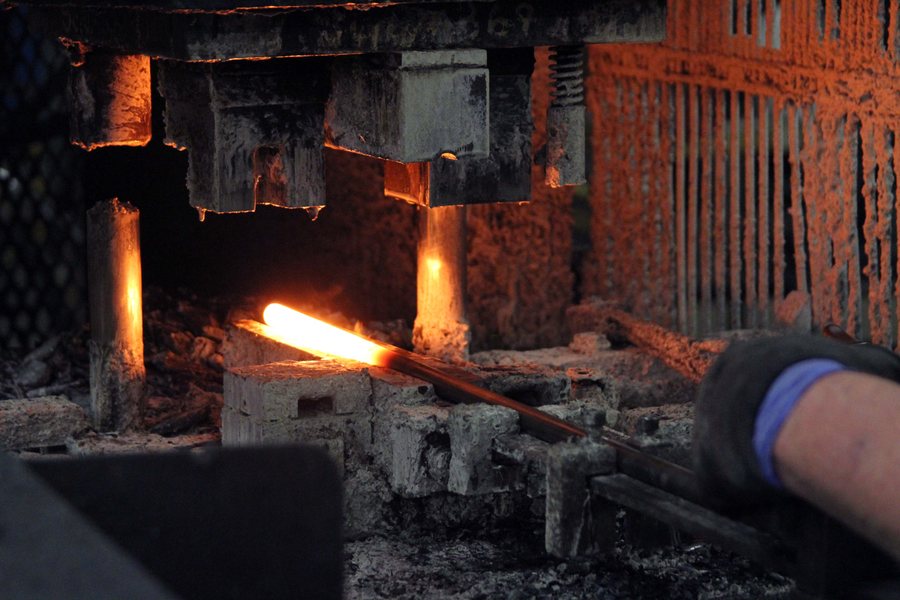
Our niche for formed rods is based on how the bar or wire fabrication is manufactured and how it is used, not on the simple act of bending wire.
A core hot-forming operation for bars. See the dedicated Upset Forging guide for detail and examples.
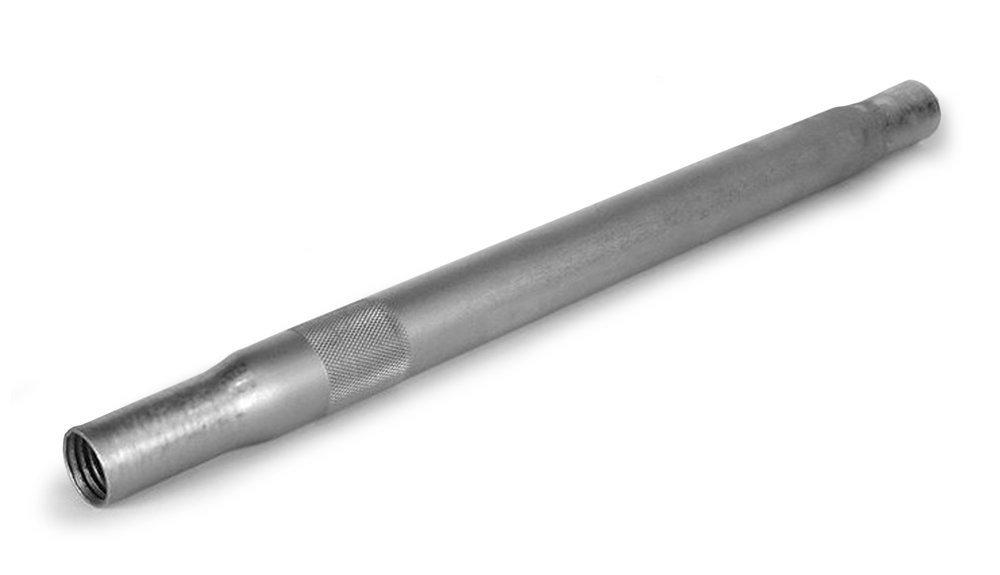
Rotary swaging is a hot forging process where a series of ‘hammer’ blows reduces the diameter of the bar (or tube, or flat bar) into a smaller round shape. The process aligns the grain structure of the steel linearly, increasing its basic strength properties. The reduced section can then be machined or formed like normal bar.
In practice, swaging lets us eliminate hollow-milling operations (turning down the diameter of the bar) and welding. Some of our most dramatic cost reductions for customers have come from using swaging to eliminate exactly those two processes.
Hot press forming lets us move material farther with a reduced chance of splitting it, and heat reduces the tonnage needed to reform a bar. Our heating methods include open gas furnaces and electric induction heaters. We successfully hot form bars up to 3/4" in diameter, in carbon steel as well as stainless steel.
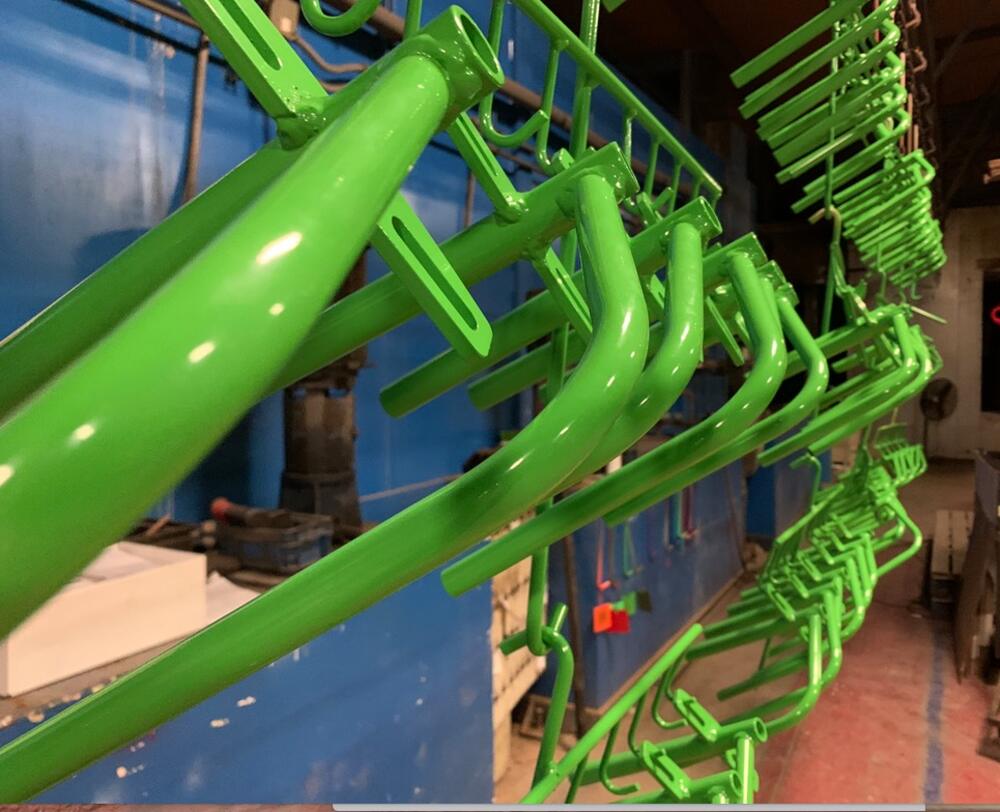
Most customers don't think of welding as a ‘hot’ forming operation, but we classify it that way: welding a rod to a plate or a tube is one of the key operations on parts that fall within our niche. To be clear, we are not the right source for things like shopping carts or fan-guard shrouds. Our niche for welded bars, paired with operations like powder coating, threading, press forming, rotary swaging and upsetting, is larger-diameter bar in the 1/4" to 3/4" range.